


Unified Order Management Across Multiple Sales Channels
Consolidate orders from your website, mobile app, and messaging platforms into one unified management system.
Streamline order management, kitchen operations, and delivery logistics with unified automation. Our integrated platform consolidates customer relationships, fulfillment, menu management, financial tracking, and performance insights into one powerful system.
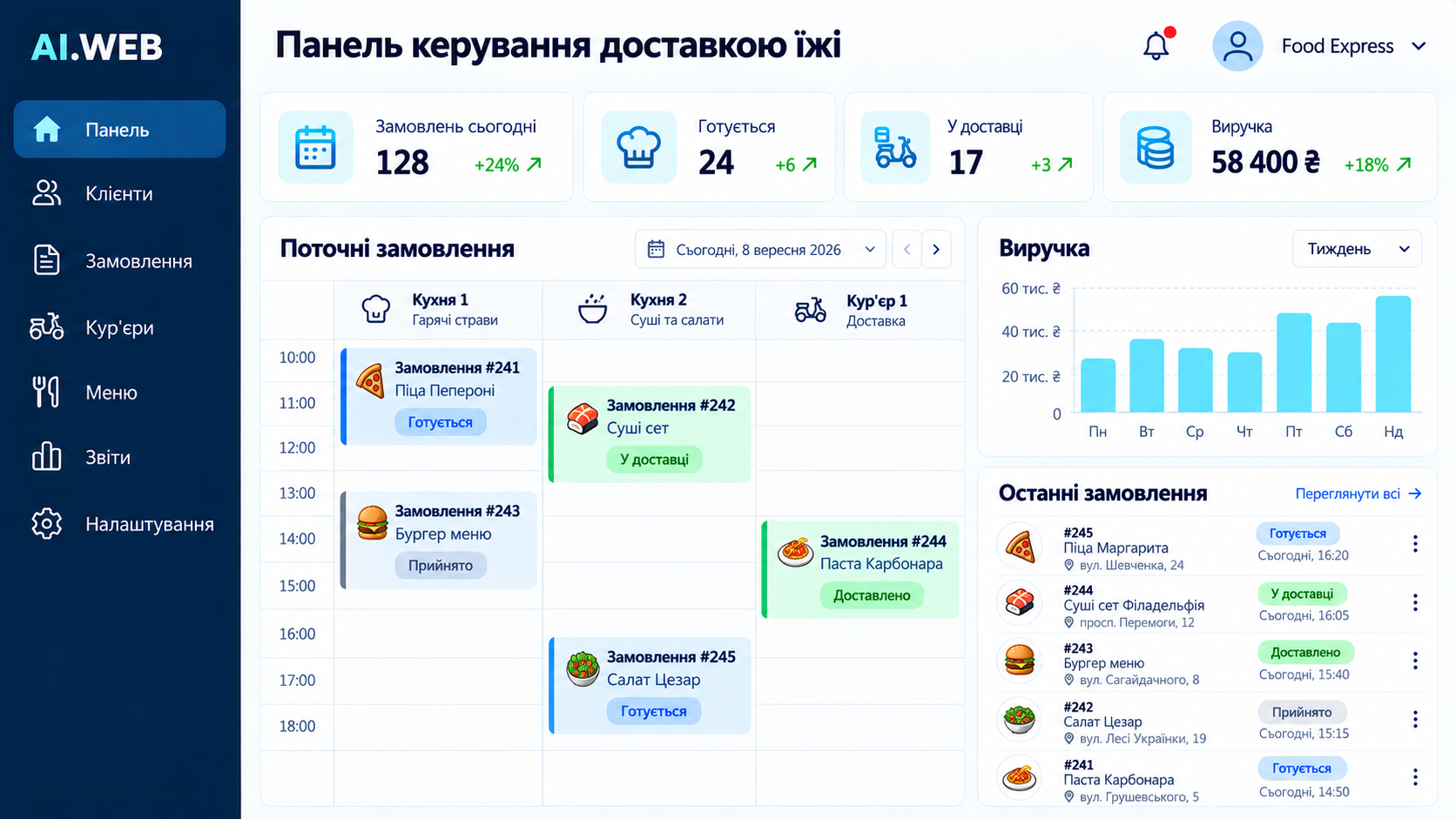
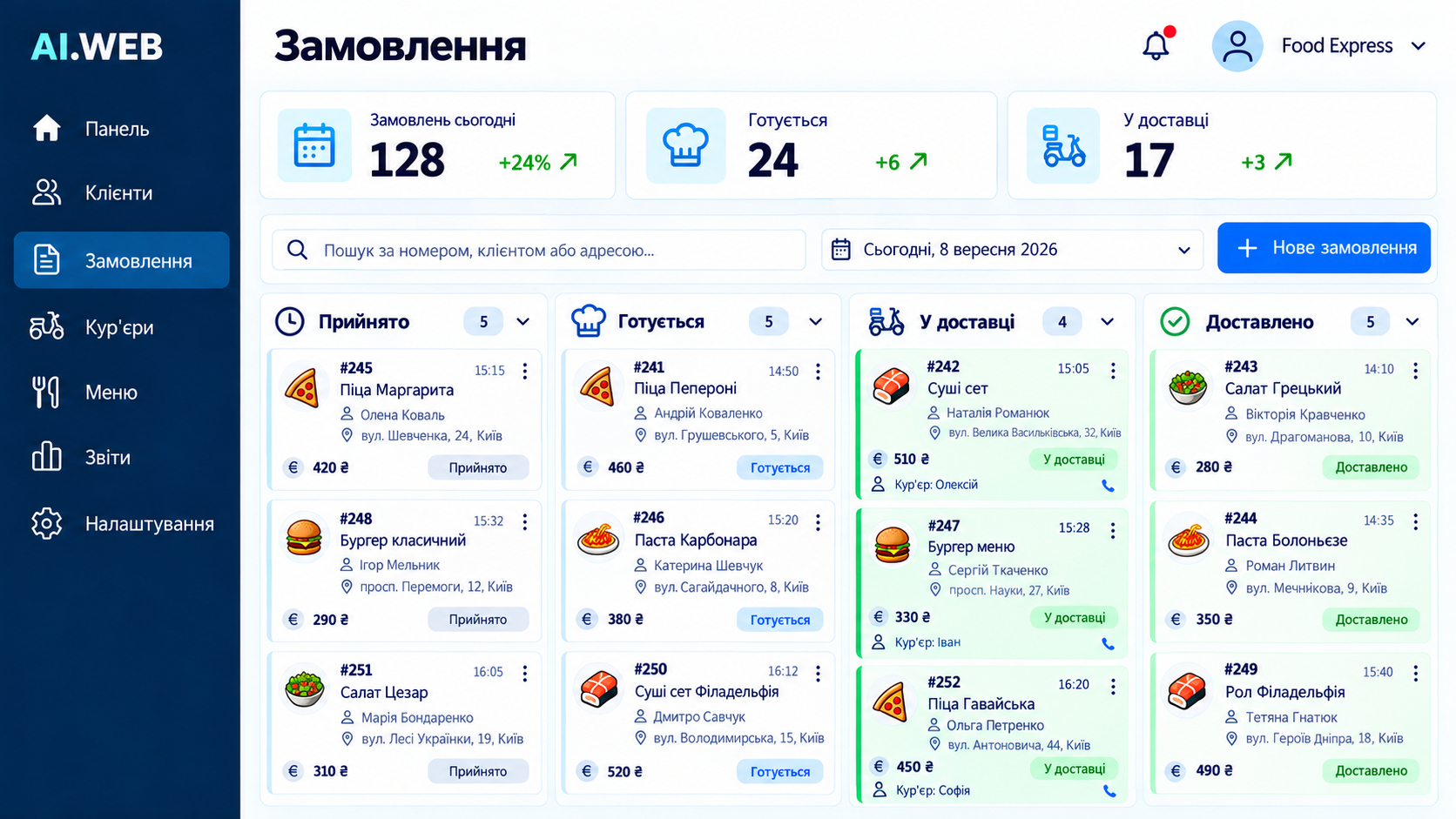
Consolidate orders from your website, mobile app, and messaging platforms into one unified management system.
Track your complete order details—selected items, portion sizes, pricing, delivery address, estimated arrival time, and special requests—all in one convenient view.
Real-time order tracking: from confirmation and preparation through handoff to your delivery partner and final receipt.
Manage inventory levels, pricing tiers, and dish variations while marking unavailable items to ensure accurate order processing.
Seamlessly route confirmed orders with customer preferences and estimated completion times through your integrated system.
Intelligent order routing to delivery partners based on service coverage, current capacity, and estimated delivery timeframes.
Track online payments, cash transactions, refunds, and courier settlements for completed orders with precision.
Track order volume, average transaction value, bestselling menu items, cancellation rates, and on-time delivery performance.
Running a food delivery operation requires tight coordination between order-takers, kitchen staff, drivers, and customers. Even minor delays in order handoff can degrade service quality. As order volume scales, managing everything manually becomes increasingly difficult.
Food delivery CRM software consolidates orders, customer data, menu management, driver logistics, and financial tracking into a single workspace. This reduces manual data entry, ensures order fulfillment visibility, and enables faster problem resolution.
At a small pizzeria, an order-taker might answer the phone, jot down details, and pass notes to the kitchen. But as customer volume grows, this approach introduces error risk and operational bottlenecks.
Common challenges food delivery operations face:
The real value of CRM extends beyond automating isolated tasks—it creates a unified workflow where every team member sees current order status and customer details.
That's why implementing CRM should be viewed as a business process redesign for your entire delivery operation, not simply a replacement for spreadsheets.
The system creates a structured workflow for each order from intake to completion.
Each stage can be customized to match your business rules. For example, pizza operations need to account for bake times, while catering orders require coordinating simultaneous prep of multiple items.
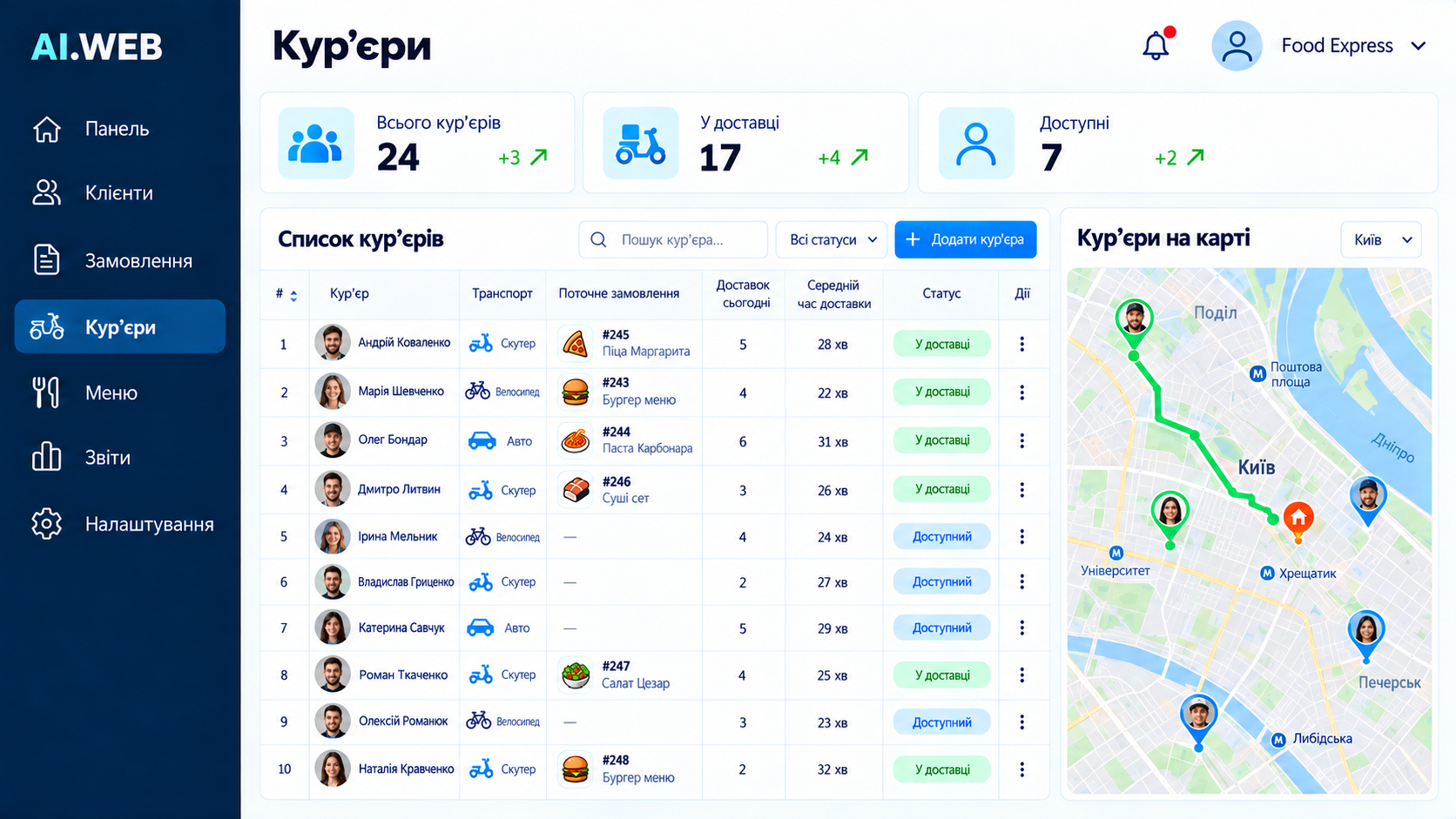
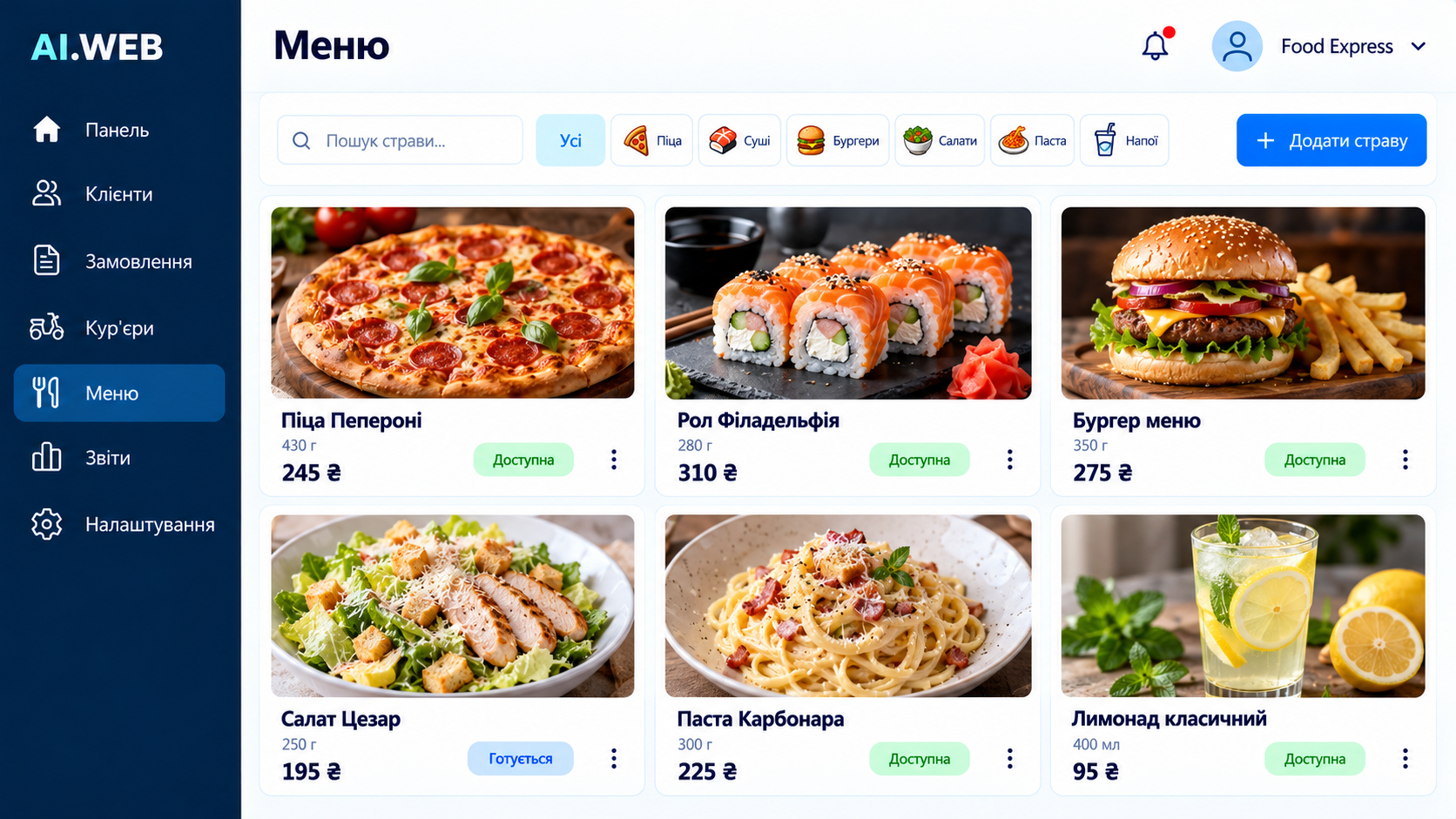
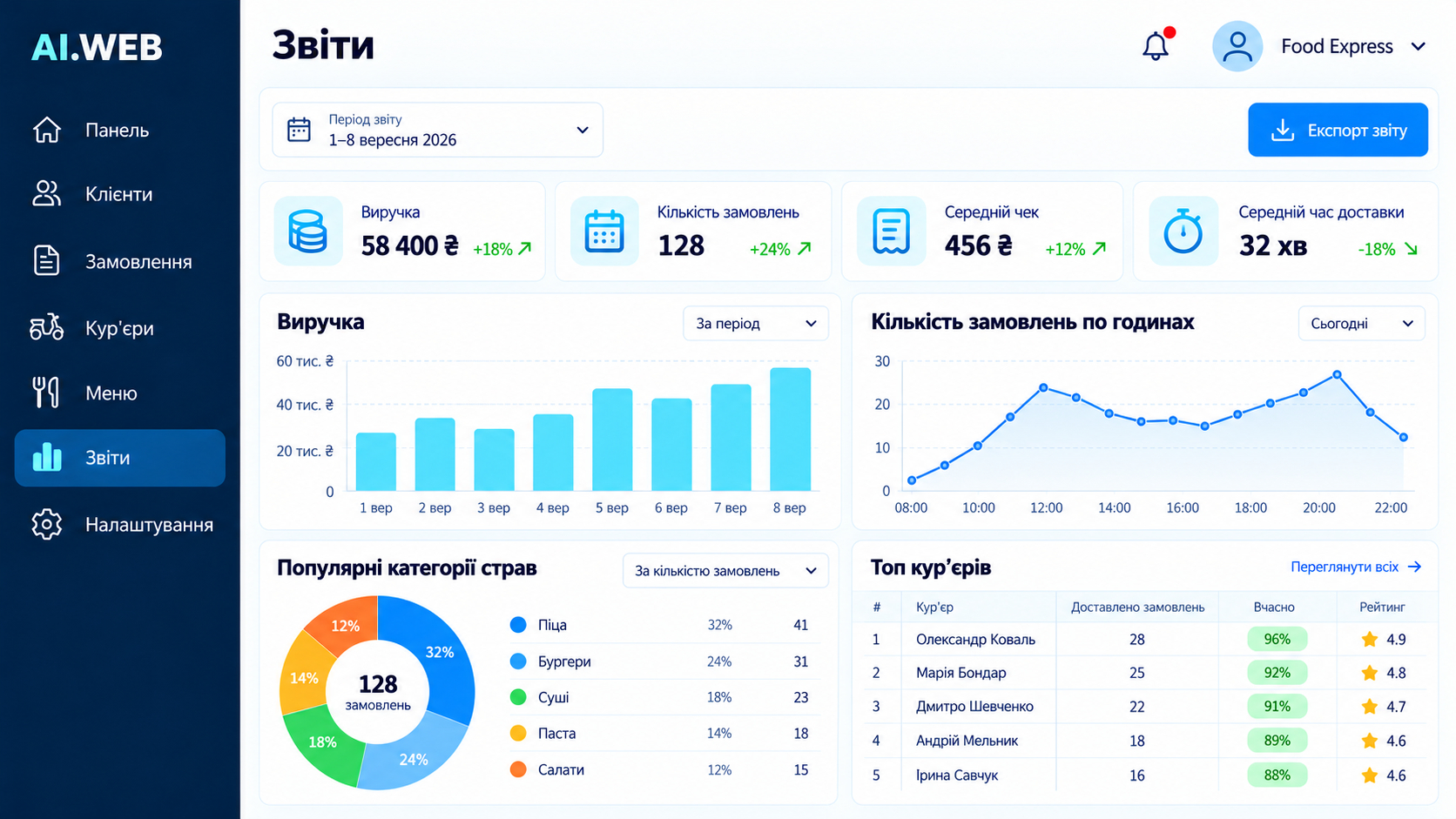
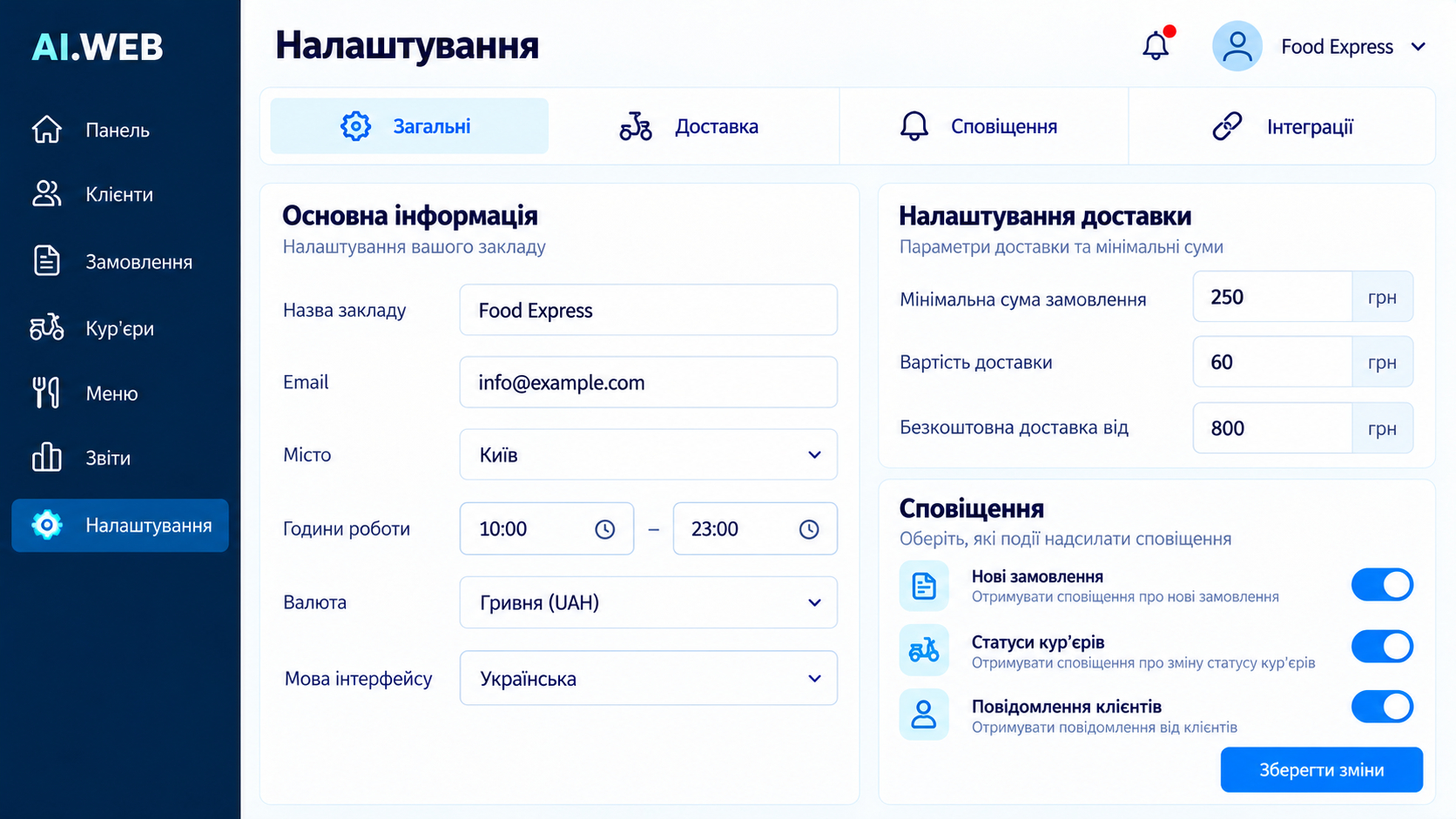
Driver efficiency directly impacts customer satisfaction. CRM gives your dispatcher real-time visibility into driver workload and delivery progress.
Depending on configuration, the system can support:
That said, sophisticated route optimization isn't always necessary for smaller operations. If you have two or three drivers, basic order assignment and status tracking may be sufficient to start.
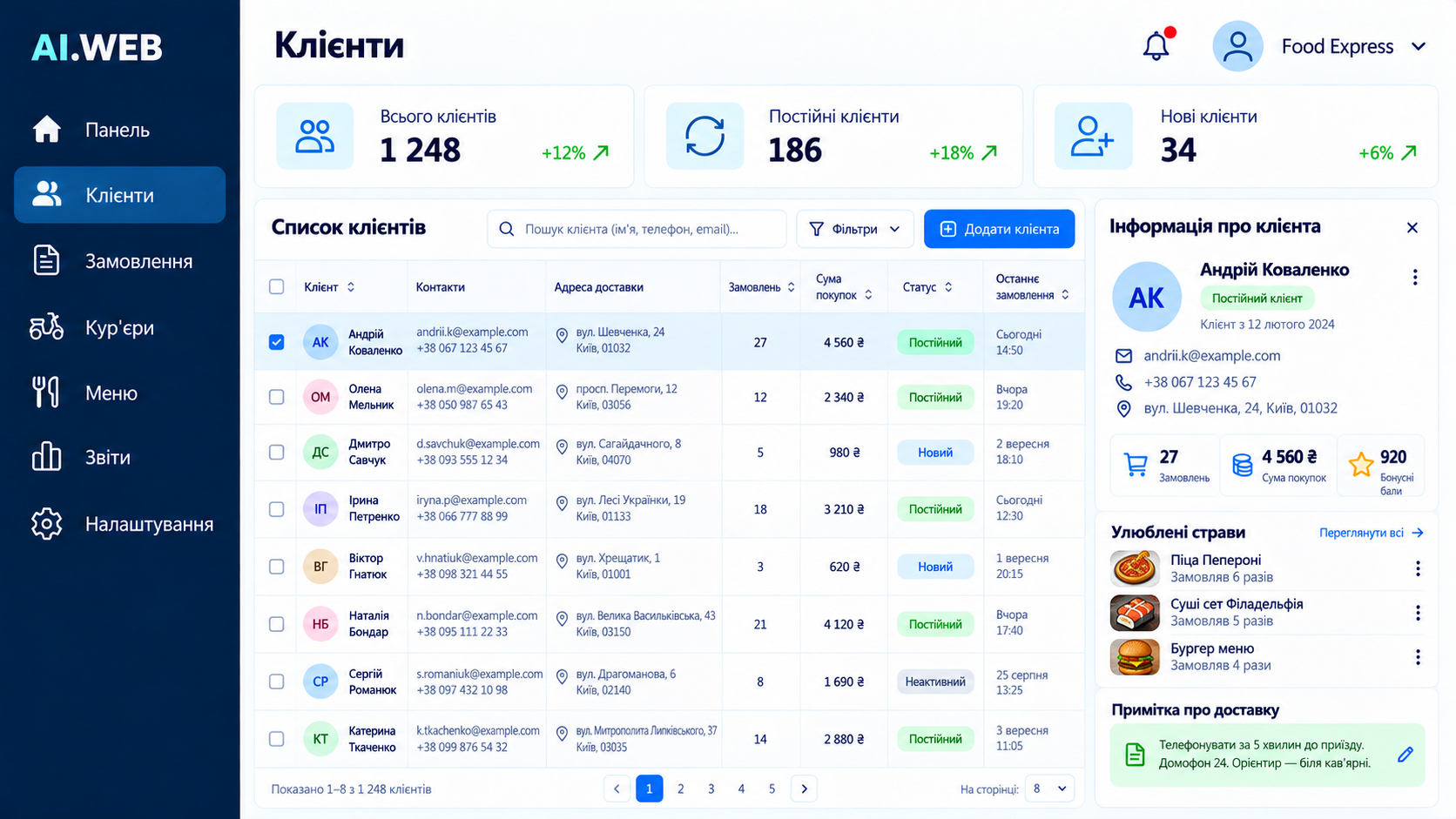
CRM maintains a complete history of customer interactions. Your order-taker can instantly see previous orders, saved addresses, food preferences, and applied discounts.
This data streamlines service and creates opportunities for targeted upselling.
Repeat customers are especially valuable for delivery businesses. CRM helps you maintain relationships and create conditions that encourage reordering.
For instance, customers who regularly order on weekends can be offered a combo deal, while inactive accounts can receive a personalized offer (with their consent). This intelligence turns customer data into revenue opportunities.
CRM can integrate with inventory systems, payment processors, and accounting software—particularly valuable for restaurants with extensive menus.
| Function | Automation Benefits |
|---|---|
| Menu Management | Dynamic pricing and item availability control |
| Inventory Control | Real-time stock levels and ingredient usage tracking |
| Financial Reporting | Payment reconciliation, refunds, and revenue summaries |
| Business Intelligence | Average order value, popular items, cancellation rates |
| Team Accountability | Performance tracking and order fulfillment responsibility |
Accurate cost accounting requires properly documented recipes, current ingredient pricing, and automated product deduction logic.
Generic CRM platforms often miss critical restaurant operations workflows. When evaluating options, start by prioritizing which processes need automation first.
The best CRM isn't necessarily the one with the most features—it's the one that aligns with how your team actually works and doesn't add friction to daily operations.
A small independent restaurant might need just order, customer, and delivery modules. A multi-location restaurant group will likely require branch management, detailed inventory tracking, and advanced reporting capabilities.
AI-WEB offers a ready-to-deploy CRM platform built specifically for food delivery operations. You get a proven foundation that you can configure to match your unique workflow without starting from scratch.
The solution works for pizzerias, sushi bars, casual cafes, full-service restaurants, meal prep services, and companies managing their own driver fleets.
CRM setup begins by documenting your current process: how orders enter the system, who handles them, how the kitchen receives info, and how deliveries are organized. Based on this analysis, the team configures the necessary features and workflows.
This phased approach lets you automate the highest-impact operations first, then expand capabilities as your business scales.
AI-WEB's food delivery CRM creates an organized customer service process, gives you transparency into team performance, and builds the foundation for sustainable growth across your delivery network.
Every project has its own requirements, so pricing and timelines vary based on your specific needs, feature set, and scope. Below are typical cost ranges for common solutions.
CRM Features. Customer management, order tracking, menu administration, kitchen operations, driver logistics, payment processing, and business analytics.
Business Infrastructure. Multi-location support, kitchen zones, operator accounts, and delivery area configuration.
Delivery Parameters. Order minimums, zone-based pricing, delivery time windows, and courier assignment rules.
Data Migration. Customer database import, address books, menu catalogs, pricing structures, and active order transfers.
Third-Party Integrations. Website and mobile app connectivity, POS system integration, payment gateways, and mapping services.
Advanced Configuration. Promotional campaigns, discount codes, customer notifications, performance reporting, and staff onboarding.
Final pricing is determined once we clarify your specific requirements. Paid third-party services, integrations, and custom development work are quoted separately.
We've compiled answers to your most pressing questions to help guide your decision. Can't find what you're looking for? Reach out to our team.
Ask Your QuestionHere's how it works: AI-WEB provides a proprietary CRM platform that we customize to fit your business needs. We configure modules, data fields, workflow statuses, user roles, and reporting dashboards to match your operations. Should your processes require additional functionality, we'll evaluate custom development and third-party integrations separately.
We establish your initial CRM setup by mapping core business processes around customer management, communication workflows, orders, and team responsibilities. Together, we'll define what data to capture, clarify ownership of lead handling, and outline your order fulfillment pipeline. All agreed-upon modules, reporting dashboards, and configuration specifications are documented in the proposal before implementation begins.
Before we begin, we'll prepare a detailed proposal outlining the scope of work and payment terms. We break down CRM configuration costs separately, along with platform licensing fees, hosting, and ongoing support. Any integrations, add-on modules, and third-party services are itemized as distinct line items. All payment schedules and milestones are confirmed in our service agreement.
Data migration can be incorporated into your implementation process. We start by auditing your current system's export capabilities, including field structure, data completeness, and duplicate records. From there, we identify which contacts, products, orders, and other records are eligible for import, align on scope, and validate the migration results to ensure accuracy.
We offer comprehensive hosting and managed support services, with the flexibility to deploy your CRM on a dedicated server environment tailored to your needs. If you're running your own infrastructure, we'll evaluate deployment feasibility based on our platform's technical specifications. Prior to implementation, we'll establish clear agreements regarding access protocols, system administration, backup procedures, and hosting fees.
Mobile functionality depends on your selected modules and specific workflow requirements. During the discovery phase, we identify key mobile use cases—such as client management, status updates, task tracking, and scheduling—to ensure your team can work efficiently on the go. We validate these scenarios through demonstrations and confirm any necessary interface adjustments. If a dedicated mobile app is required, we'll provide a separate assessment and cost estimate.
Support scope is defined through your service agreement and can encompass system health monitoring, technical troubleshooting and issue resolution, data backup and recovery, and ongoing system guidance. We provide comprehensive user training during implementation. Additional features, process modifications, and custom integrations are evaluated separately and quoted outside your standard maintenance plan.
AI-WEB delivers a proprietary CRM platform built for scalability, paired with comprehensive implementation and customization services. We start by mapping your existing workflows—how leads flow through your pipeline, who owns each stage, and what metrics matter to your leadership team. From there, we configure modules, fields, custom statuses, and granular permission sets to match your operations. Complex requirements and third-party integrations are scoped separately, with deployment and ongoing technical support available through a single dedicated team.
Start by setting up your client database, leads, and tasks—get comfortable with the core functionality first. Once your team is up to speed, you can roll out additional modules like inventory management, document handling, financial reporting, or automated notifications. We'll sequence the implementation based on your business priorities, accounting for module dependencies and any data migration requirements.
Standard implementations typically take 2–4 weeks to complete. More complex integrations, large-scale data migrations, and custom modules may require additional time. We'll need documentation of your workflows, sample files, migration datasets, and a dedicated point of contact to streamline approvals. Final timelines are determined after we assess the full scope of your project.
Yes, provided the necessary technical infrastructure is in place. We can configure automated lead and order routing from your website, establish data synchronization with accounting software, phone systems, shipping carriers, and payment processors. Our integration process begins with API documentation review and assessment of available connection methods, followed by data mapping and flow direction analysis. Integration availability and setup costs are evaluated on a per-service basis.
During setup, we establish role-based access controls and define the specific operations each role can perform. For instance, account managers typically need visibility into their client portfolios, department heads require team oversight and performance tracking, while accounting staff need access to payment records and financial data. We configure permissions separately for sensitive areas like financial reporting, data exports, record modifications, and deletions. All access restrictions should be validated and tested before going live.
During implementation, we provide comprehensive training on your agreed-upon workflows: adding clients, processing requests, updating order status, and assigning tasks. We'll outline the training approach, documentation structure, and post-launch support in our proposal. We've found that hands-on training works best when we use real-world scenarios from your daily operations.
Ongoing expenses typically cover platform subscription fees based on your selected plan, server hosting, technical support, and third-party integrations. Additional charges may apply for SMS messaging, voice services, email campaigns, and other add-on features you activate. We separate implementation costs from recurring fees upfront, clearly outline billing cycles, and explain what factors influence your total investment.
Establish clear data ownership, usage rights, and retrieval protocols in your service agreement before implementing CRM. Address key considerations upfront: determine who has system access, define which datasets can be exported, specify file formats, and set timelines for data transfers. If you're planning to migrate to a different platform later, let us know during the initial consultation—we'll assess export capabilities and develop a structured data handoff process.
As part of our technical support services, we can establish regular automated backups and data recovery protocols. We'll work with you to determine the backup frequency, storage location, and retrieval procedures based on your CRM hosting environment. Data exports can be customized to your needs—we'll identify the specific modules, fields, and file formats required for your workflow. Keep in mind that system backups and data migration files serve different purposes and are managed accordingly.
No results found for your search. Try different keywords or select "All Questions" to browse our complete resource library.
Tell us about your idea or task — we will propose the best solution and action plan.
 We will discuss your task
 Convenient communication
 Transparent proposal
 Attention to your needs
 Want to discuss it now?Our contacts
Describe your task and leave a contact for our reply.
© 2026 ai-web.com.ua. All Rights Reserved.

